
Aseeda (Asida)
(Breakfast, Porridge, Pudding / Aseeda, Aseedah, Asida, عصيدة / Yemen, Saudi Arabia)
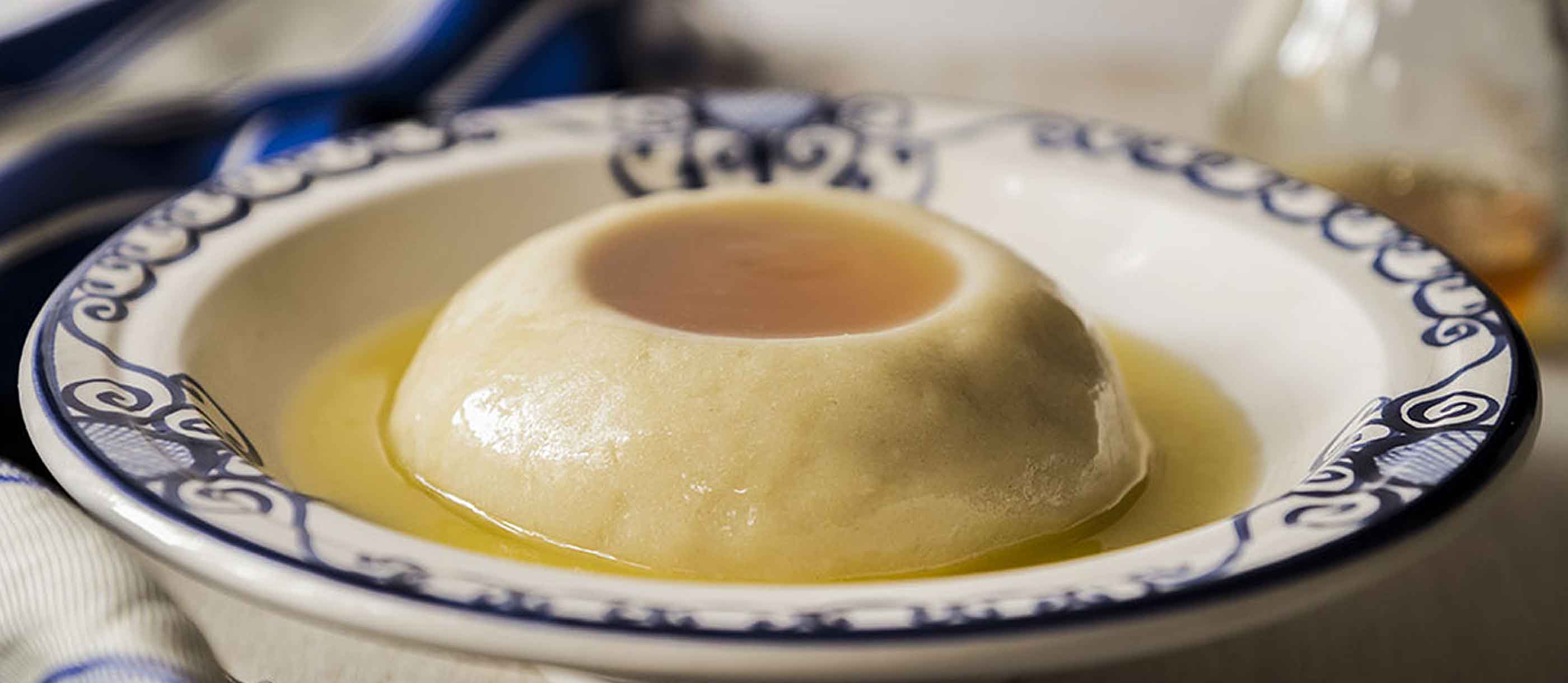
Aseeda (Asida)
Aseeda or asida is a moist, pasty dough consisting of wheat flour or sorghum, water, yogurt, salt and sunflower oil that is then served with a variety of accompaniments, such as honey, butter, dates or even a savory version with meat stew, depending on regional preferences.
The dish is traditionally eaten without any utensils. Using only one's fingers, aseeda is eaten from one bowl and shared communally. When preparing the dish, one must be careful and stir it continually, so it doesn't develop any lumps. One of the earliest recipes for the dish was written in the 13th century, and today aseeda is eaten either for breakfast, dinner or during the traditional festive ceremonies such as the aqiqah, celebrated by cutting the hair of a baby seven days after its birth.
[ Main Ingredients: Wheat Flour, Sorghum, Yogurt, Sunflower Oil, Salt ]
A common dish in the Arab world, is a lump of dough made by stirring wheat flour into boiling water, sometimes with added butter or honey. Similar in texture to fufu, it is eaten mainly in Middle East and African countries. It is considered one of the most popular desserts and traditional dishes in many Arab countries.
Asida is particularly popular in Sudan, Morocco, Libya, Algeria, Tunisia, Yemen, Ethiopia, Eritrea, and the rest of the Middle East. Often served during religious holidays such as Mawlid and Eid, it is also served during other traditional ceremonies, for example accompanying the birth of child, such as the ‘aqīqah, the cutting of the hair of a newborn seven days after birth.
A simple, yet rich dish, often eaten without other complementary dishes, it is traditionally served at breakfast and is also given to women in labor.
[ w ]