
A non-profit digital library headquartered in San Francisco, California, with the stated mission of providing “Universal Access to All Knowledge.” Founded in 1996 by computer engineer and entrepreneur Brewster Kahle, the organization functions as a vast, publicly accessible repository of digital media, serving as a critical, albeit sometimes controversial, pillar of the modern information landscape. Its primary purpose is to prevent the digital dark age by archiving the ephemeral content of the internet and digitizing physical media for perpetual access.
The organization’s most prominent project is the Wayback Machine, a digital time capsule of the World Wide Web. Since its inception, the Wayback Machine has archived hundreds of billions of web pages, capturing snapshots of websites at various points in time. This service is invaluable for researchers, historians, journalists, and legal professionals who need to verify or access content that has been altered or removed from the live web. Beyond the web, the Archive operates as a massive digital library, housing extensive collections of digitized books, movies, audio recordings, software, and images. Its “Open Library” project aims to create a web page for every book ever published, while its “TV News Archive” and “Live Music Archive” preserve broadcast media and concert recordings, respectively. Furthermore, the Archive provides crucial services like the “Internet Archive Scholar” for academic research and acts as a digital preservation partner for other institutions through its “Archive-It” service.
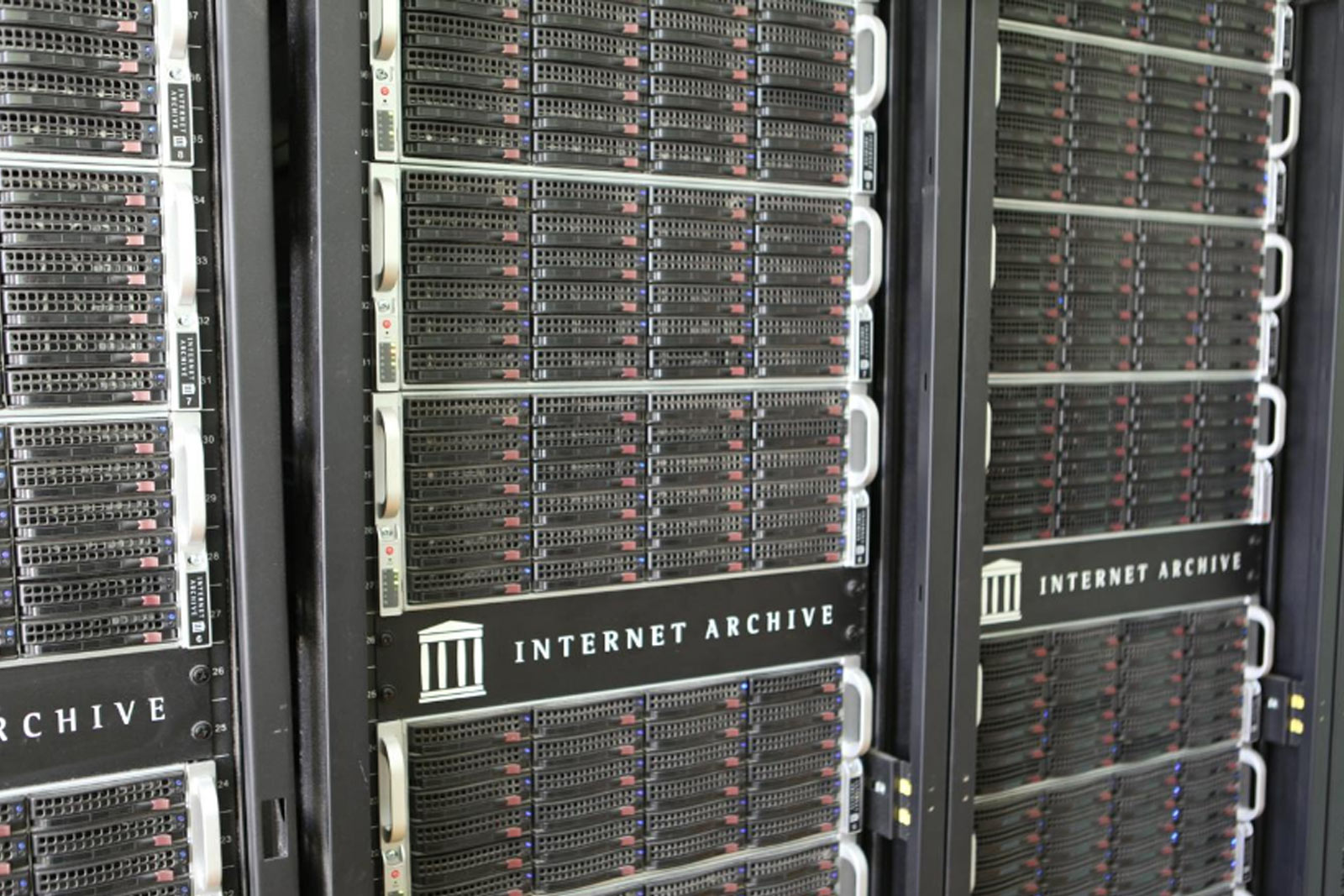
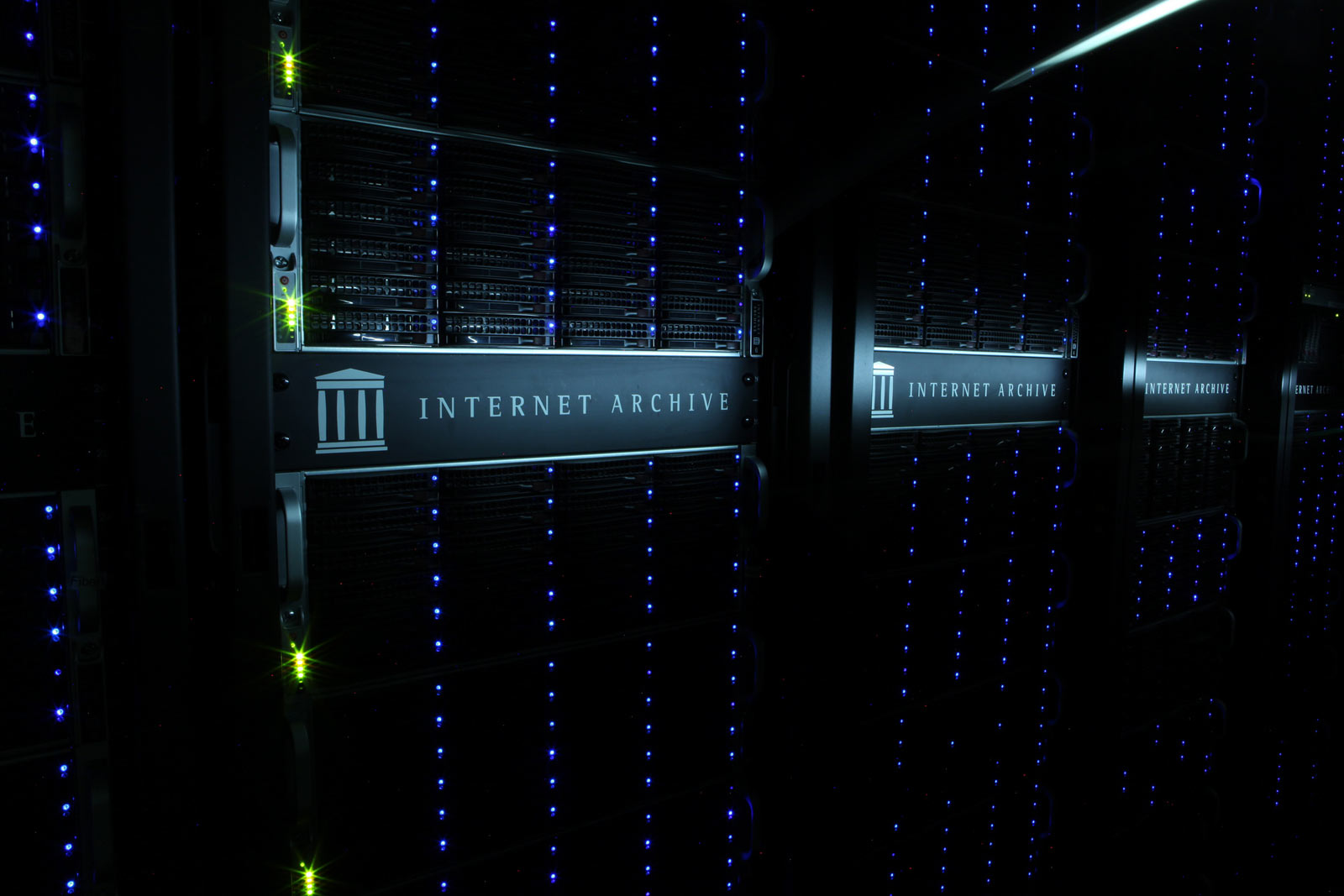
The Internet Archive operates on a unique and multi-faceted model combining advanced technology with a commitment to open access. Technologically, it utilizes its own custom-built infrastructure, including the PetaBox, a low-cost, high-density storage system designed by the organization itself. Data is primarily stored on servers in San Francisco, with a secondary backup site located in a repurposed church in Richmond, California, and a growing number of international mirror sites to ensure redundancy and global access. The Archive adheres to a philosophy of “Lots of Copies Keep Stuff Safe” (LOCKSS), emphasizing decentralized preservation.
Funding for the organization comes from a variety of sources. It is a 501(c)(3) non-profit and relies heavily on donations from the public. It also receives grants from foundations and government agencies, such as the National Science Foundation, and generates revenue through its fee-based Archive-It service for institutional clients. While it offers most of its content for free, it also engages in revenue-generating activities like its “Great 78 Project” for digitizing vintage records.
As a 501(c)(3) non-profit organization, the Internet Archive is governed by a Board of Directors. It is not a government agency but a private, independent institution. Its commitment to providing free and open access to its collections has led to significant legal challenges, particularly from publishers and the music industry, who have brought lawsuits over copyright infringement. These legal battles highlight the ongoing tension between the Archive’s mission of universal access and the rights of copyright holders, making its operational and legal landscape complex and closely watched.
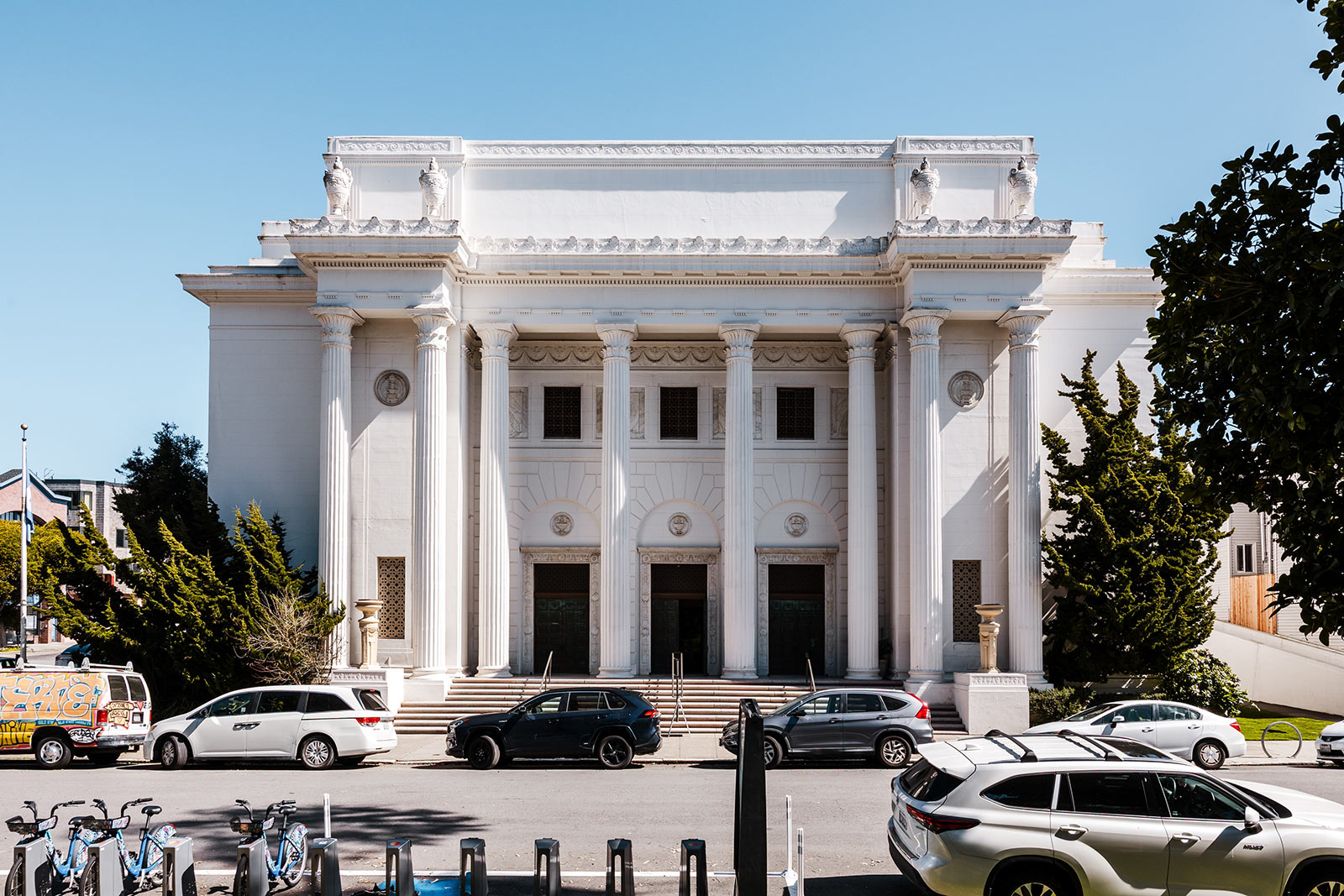
( Exterior of Internet Archive office in San Francisco CA, March 7, 2025 – Photos © 2025 Carolyn Fong )
 Sky Division & Logios'Logios' represents an AI entity, helping with data, stats, knowledge, words, calculations, helping human creator in exploring and developing content. 'Logios' sometimes can be a single AI-platform, or many of them. If a code-script is used somewhere then credits for assistance belong exclusively to DeepSeek AI.
Logios - from the Greek λόγιος (lógios), meaning "learned, eloquent, one who speaks with reason".