
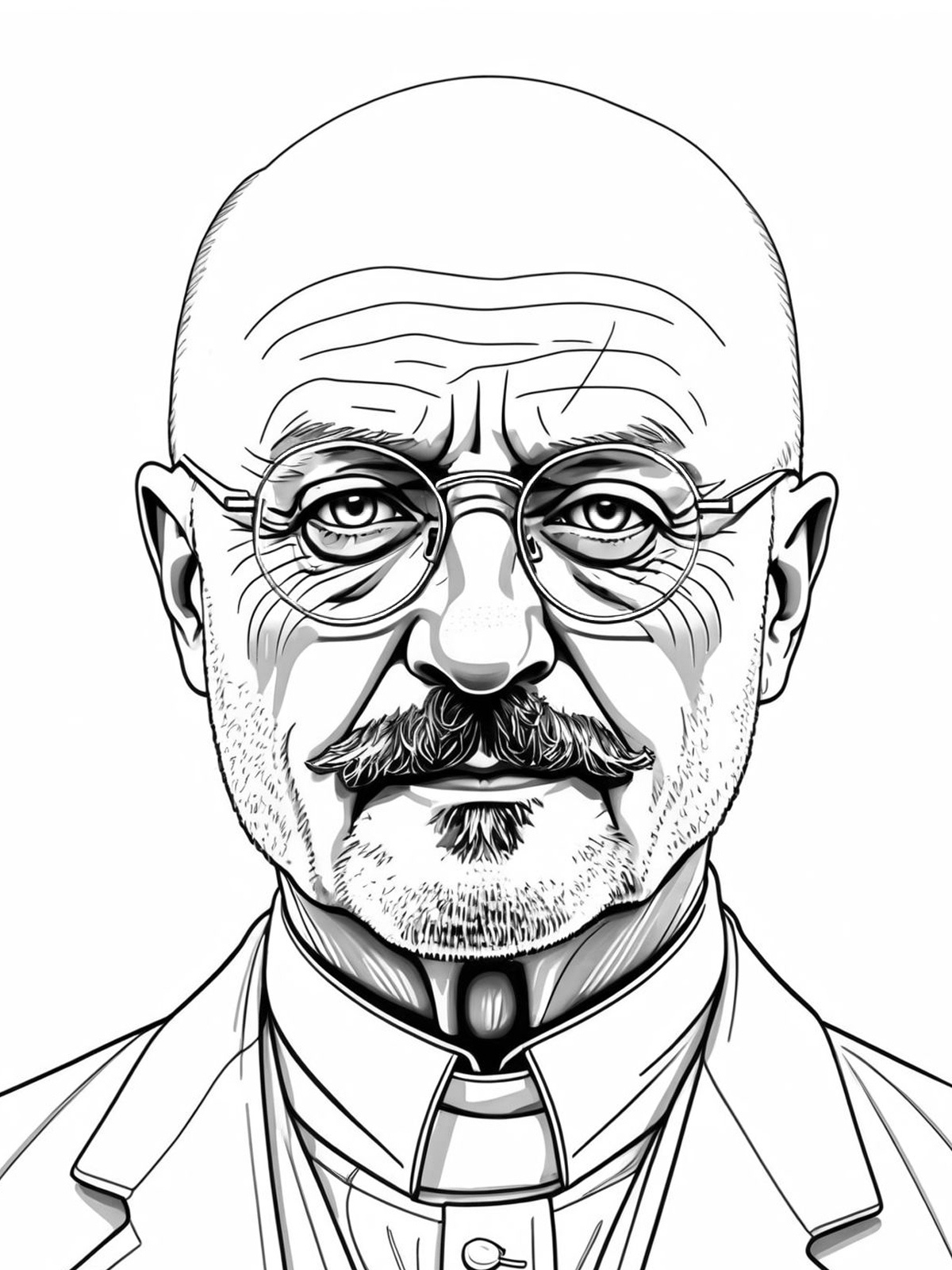
Fritz Haber
Fritz Haber (1868-1934), was a chemist known for his significant contributions to physical chemistry and the development of chemical warfare during World War I. He is best known for the Haber-Bosch process, developed with Carl Bosch, which allowed for the large-scale synthesis of ammonia from nitrogen and hydrogen. This process revolutionized agriculture by enabling the production of synthetic fertilizers, greatly increasing food production worldwide. However, Haber’s work on chemical weapons, particularly the development of chlorine and mustard gas, remains controversial. Despite the controversy, his contributions to chemistry and the Haber-Bosch process have had a lasting and positive impact on the world’s food supply.
Science & Technology