(Sky Division & Logios – Audio files: Pond5, Aug. 2025)
The Four Seasons is a set of four violin concertos, each representing a season. What makes it truly special is that it’s one of the earliest and most famous examples of program music – music that tells a specific story or paints a scene. Vivaldi even wrote sonnets (poems) to accompany each concerto, describing exactly what the music is meant to depict. The solo violin mimics bird songs, babbling brooks, cracking ice, and shivering winds.
Each concerto is structured in three movements, following the standard pattern of the Baroque period: Fast – Slow – Fast.
Composed: ~1720-1723 (likely in 1723). Published: 1725 in Amsterdam, as part of a set of twelve concertos entitled Il cimento dell’armonia e dell’inventione (“The Contest Between Harmony and Invention”), Op. 8.
The fact that The Four Seasons were published is a key reason why they survived. In the Baroque era, music was often written for a specific event and then forgotten. By having them printed and distributed across Europe, Vivaldi ensured their longevity. The publisher, Michel-Charles Le Cène, even included the four sonnets (most likely written by Vivaldi himself) in the first edition, making the musical storytelling explicit for players and audiences from the very beginning.
The Four Seasons – Summer (Storm)
Concerto No. 1 in E major, Op. 8, RV 269, “Spring” (La primavera)
Spring is the most famous of the four, bursting with joy and the energy of renewal. It perfectly captures the feeling of relief and celebration after a long winter.
The Four Seasons – Spring (1st M)
Movement I: Allegro
The opening movement is instantly recognizable. The bright, cheerful theme represents “Spring has arrived.” The music then beautifully illustrates the accompanying sonnet: you can hear the birds greeting the season with happy song, the gentle murmur of brooks flowed by by the breeze, and finally, a dark section with thunder and lightning (represented by low, aggressive strings and rapid solo passages). The movement then returns to the main joyful theme, as the storm passes and nature’s calm returns.
The Four Seasons – Spring (2nd M)
Movement II: Largo e pianissimo sempre
This is a beautifully peaceful and slow movement. It depicts a goatherd sleeping in a flowering meadow with his faithful dog by his side. The viola section plays a repetitive, quiet line that represents the dog barking (sempre il cane is even written in the score!). Meanwhile, the lush, lyrical solo violin melody evokes the gentle rustle of leaves and the tranquility of the pastoral scene. It’s a moment of pure, serene rest.
The Four Seasons – Spring (3rd M)
Movement III: Danza pastorale (Allegro)
The finale is a graceful pastoral dance. It evokes the imagery of nymphs and shepherds dancing happily in the fields under the bright spring sky. The rhythm is lively and buoyant, full of rustic charm and celebration. This movement closes the “Spring” concerto on a note of unblemished happiness and light-hearted energy.
Concerto No. 2 in G minor, Op. 8, RV 315, “Summer” (L’estate)
Where Spring is bliss, Summer is intense, depicting the season’s oppressive heat and its dramatic, violent storms. The music is in a minor key, creating a tense and anxious atmosphere.
The Four Seasons – Summer (1st M)
Movement II: Adagio
This slow movement continues the tense mood. It depicts the time just before a storm. The air is heavy and still, filled with fear of the impending disaster. The main melody is interrupted by buzzing insects (represented by the rapid solo violin lines), adding to the sense of irritation and discomfort. In the distance, thunder rumbles (the low strings), creating a powerful sense of dread and anticipation.
The Four Seasons – Summer (2nd M)
Movement II: Adagio
This slow movement continues the tense mood. It depicts the time just before a storm. The air is heavy and still, filled with fear of the impending disaster. The main melody is interrupted by buzzing insects (represented by the rapid solo violin lines), adding to the sense of irritation and discomfort. In the distance, thunder rumbles (the low strings), creating a powerful sense of dread and anticipation.
The Four Seasons – Summer (3rd M)
Movement III: Presto (Tempo impetuoso d’estate)
The feared storm breaks with terrifying force. This movement is a torrent of energy, one of the most violent and dramatic Vivaldi ever composed. The solo violin and orchestra engage in a frenetic struggle, representing how the summer storm unleashes its full fury: hail falls from the sky, smashing the tops of crops and grain. It’s a brilliant, chaotic, and thrilling musical depiction of nature’s raw power.
Concerto No. 3 in F major, Op. 8, RV 293, “Autumn” (L’autunno)
Autumn is a concerto of celebration and harvest, followed by the gradual slowing down of nature and a sense of peaceful exhaustion.
The Four Seasons – Autumn (1st M)
Movement I: Allegro (Ballo, e canto de’ villanelli)
This movement is a rustic celebration. The peasants celebrate a successful harvest with singing, dancing, and drinking. The music is robust and joyful, with a strong, foot-stomping rhythm. The solo violin part is playful and virtuosic, evoking the scene of dancers and the increasing merriment (and perhaps drunken stupor) of the villagers. It’s a scene of unbridled, earthy joy.
The Four Seasons – Autumn (2nd)
Movement II: Adagio molto (Ubriachi dormienti)
The celebration ends, and everyone falls into a deep, drunken sleep. This short, slow movement is incredibly peaceful and static. The music almost doesn’t move, with long, held chords creating a hazy, dreamlike atmosphere. You can almost see the villagers sleeping off their festivities as the air grows cooler and the light fades.
The Four Seasons – Autumn (3rd M)
Movement III: Allegro (La caccia)
The sleepers are awakened at dawn by the sounds of the hunt. This finale is a thrilling chase scene. The music depicts hunters with horns and guns, setting out with their horses and hounds. The solo violin passages imitate animal calls and the sounds of the hunt. The music is energetic and exciting, portraying the pursuit and eventual capture of the prey, bringing the Autumn concerto to a vigorous, triumphant close.
Concerto No. 4 in F minor, Op. 8, RV 297, “Winter” (L’inverno)
Winter is the most stark and shivering of the concertos. It doesn’t romanticize the cold; it makes you feel it in your bones, before offering a moment of warmth and contentment by the fireplace.
The Four Seasons – Winter (1st M)
Movement I: Allegro non molto
The opening movement is famously chilly. The orchestra plays staccato, pizzicato notes that depict freezing rain and the chattering of teeth from the bitter cold. The solo violin enters with rapid, difficult passages that represent the biting wind and the uncontrollable shivering of people trying to keep warm while walking on ice. It’s a brilliant, almost physical musical description of discomfort.
The Four Seasons – Winter (2nd M)
Movement II: Largo
This is one of Vivaldi’s most beautiful slow movements. It provides relief from the icy blast outside. It depicts the feeling of peace and contentment while resting by the fireside, “watching the falling rain” outside the window. The solo violin sings a tender, warm, and incredibly sweet melody over a gentle plucking (pizzicato) accompaniment from the strings that suggests raindrops. It’s a moment of safe, quiet happiness.
The Four Seasons – Winter (3rd M)
Movement III: Allegro
The finale returns to the outdoors, but with a different energy. It portrays the precariousness of walking on ice. The music has a slipping, sliding rhythm, suggesting someone carefully treading to avoid falling. Suddenly, the ice cracks! The music becomes loud and aggressive. But the scene shifts to a view from inside, watching the sirocco wind blow outside, and finally, the dramatic conclusion depicts people braving the winds of winter. It ends with a powerful, icy blast.
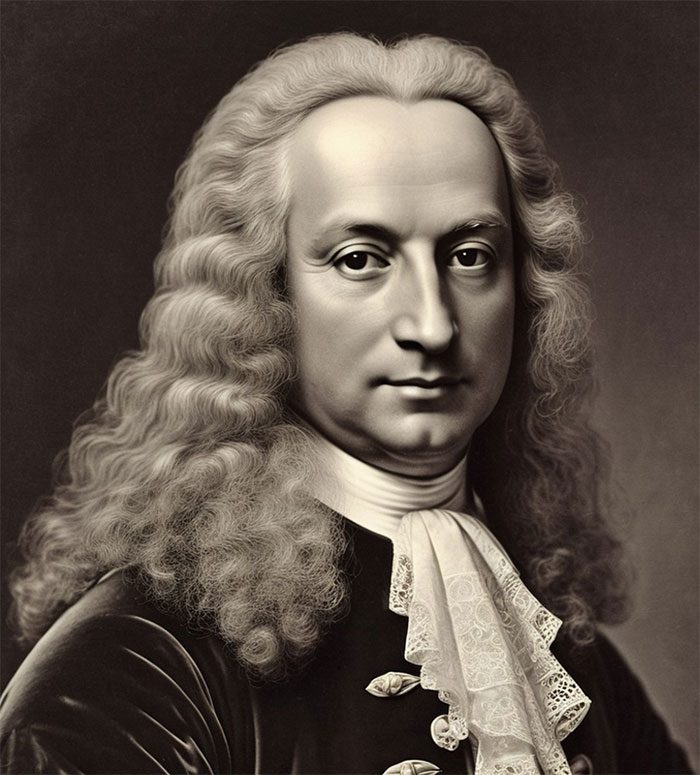
Antonio Vivaldi: The Red Priest of Venice
Antonio Vivaldi (1678-1741) was far more than a composer; he was a vibrant force of nature, much like the seasons he so brilliantly depicted. His life was a symphony of contrasts, echoing the dynamics of his concertos. He was known as Il Prete Rosso (“The Red Priest”) for his flaming red hair and his ordination, yet his true pulpit was the music stand. For most of his career, he was the maestro at the Ospedale della Pietà, a Venetian orphanage for girls renowned for its extraordinary all-female orchestra. Behind its doors, Vivaldi was a teacher, composer, and impresario, crafting hundreds of concertos to showcase the virtuosic talents of his students, for whom the demanding solos of The Four Seasons were likely written.
Despite his Venetian roots, Vivaldi was a restless innovator. He perfected the three-movement concerto form (fast-slow-fast), giving the soloist a new, dramatic voice in conversation with the orchestra. His music, overflowing with rhythmic drive and melodic invention, was the very sound of the Italian Baroque. Yet, like a forgotten manuscript, his work fell into obscurity after his death, only to be rediscovered and celebrated centuries later. Today, Vivaldi is no longer just a historical figure but a timeless presence. From concert halls to television commercials, his vibrant, programmatic music continues to tell stories, paint pictures, and remind us of the powerful, ever-changing beauty of the world. He gave sound to emotion and rhythm to nature, securing his place as a true revolutionary of music.
(Sky Division & Logios – Audio files: Pond5, Aug. 2025)

 (Sky Division & Logios – Audio files: Pond5, Aug. 2025)