
From the early days of slavery to the modern fight for civil rights and equality, African Americans have played a pivotal role in shaping the United States. Each milestone, whether a hard-fought legal victory, a cultural renaissance, or a powerful act of protest, reflects the enduring spirit and influence of African Americans in American history.
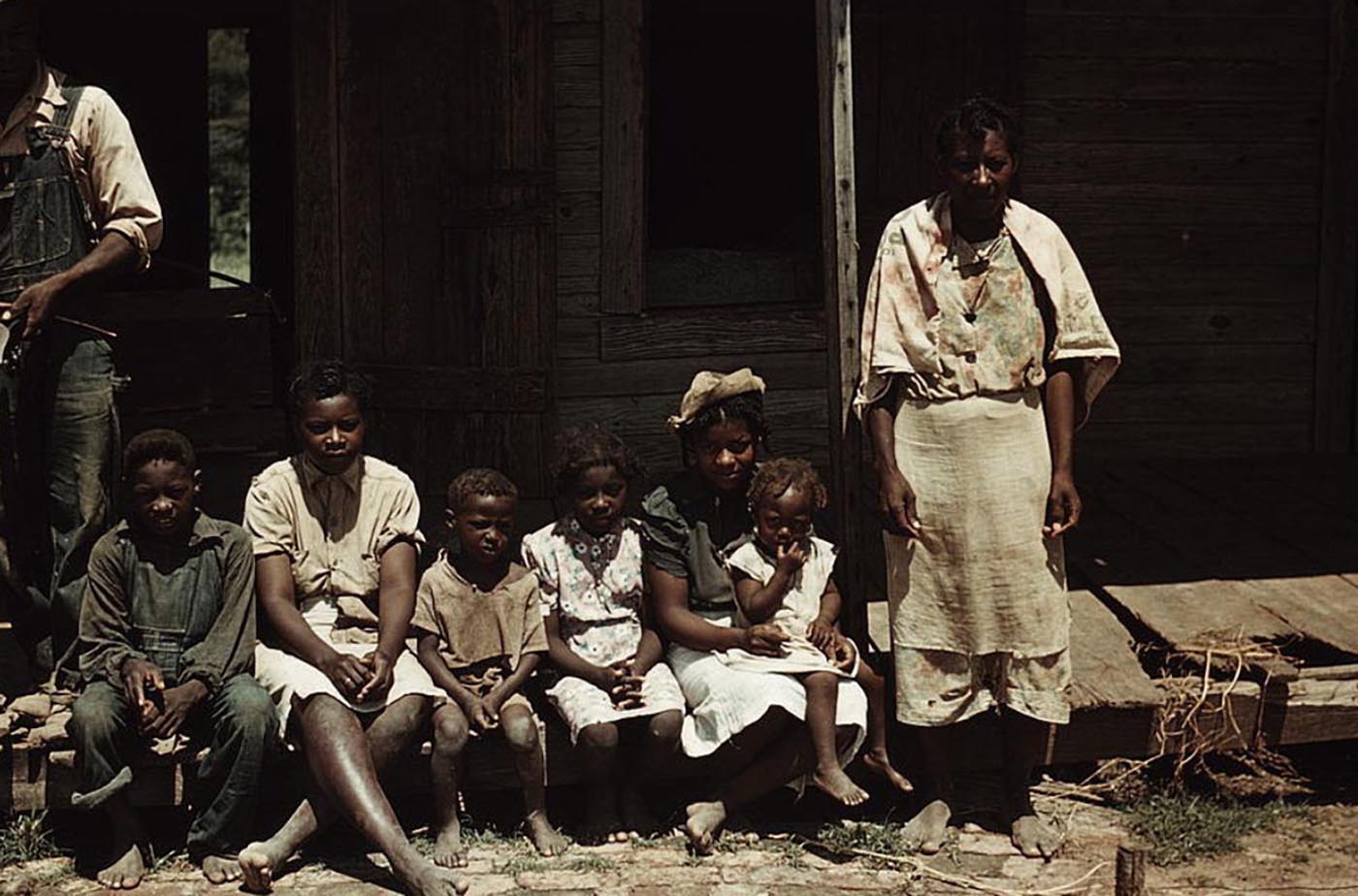
| 1619 | The first Africans arrive in Jamestown, Virginia, as indentured servants. |
| 1641 | Massachusetts becomes the first colony to legalize slavery. |
| 1775-1783 | African Americans, both enslaved and free, fight in the American Revolutionary War. |
| 1787 | The U.S. Constitution is adopted, including the “Three-Fifths Compromise” and protections for the slave trade. |
| 1793 | The Fugitive Slave Act is passed, making it easier for slave owners to recapture escaped slaves. |
| 1800 | Gabriel Prosser organizes a failed slave revolt in Richmond, Virginia. |
| 1808 | The United States bans the importation of slaves. |
| 1820 | The Missouri Compromise maintains the balance of free and slave states. |
| 1831 | Nat Turner’s Rebellion in Virginia; abolitionist newspaper “The Liberator” is published by William Lloyd Garrison. |
| 1849 | Harriet Tubman escapes slavery and begins working with the Underground Railroad. |
| 1857 | The Dred Scott decision by the U.S. Supreme Court declares that African Americans are not citizens. |
| 1861-1865 | African Americans serve in the Union Army during the Civil War. |
| 1863 | President Abraham Lincoln issues the Emancipation Proclamation, declaring all slaves in Confederate states free. |
| 1865 | The 13th Amendment is ratified, officially abolishing slavery in the United States. |
| 1866 | The Civil Rights Act of 1866 grants citizenship and equal rights to African Americans. |
| 1868 | The 14th Amendment grants citizenship to all born or naturalized in the U.S. |
| 1870 | The 15th Amendment guarantees voting rights regardless of race. |
| 1877 | The end of Reconstruction leads to the rise of Jim Crow laws enforcing racial segregation. |
| 1896 | The Supreme Court’s “Plessy v. Ferguson” decision upholds segregation under “separate but equal.” |
| 1909 | The National Association for the Advancement of Colored People (NAACP) is founded. |
| 1919 | The “Red Summer” sees race riots in numerous cities, including Chicago and Washington, D.C. |
| 1920s | The Harlem Renaissance flourishes, celebrating African American culture through art, music, and literature. |
| 1941-1945 | African Americans serve in World War II; the “Double V” campaign fights for victory abroad and equality at home. |
| 1947 | Jackie Robinson breaks the color barrier in Major League Baseball. |
| 1954 | The Supreme Court’s “Brown v. Board of Education” decision declares school segregation unconstitutional. |
| 1955 | Rosa Parks’ arrest sparks the Montgomery Bus Boycott. |
| 1957 | The Little Rock Nine integrate Central High School in Arkansas under federal protection. |
| 1963 | The March on Washington; Dr. Martin Luther King Jr. delivers his “I Have a Dream” speech. |
| 1964 | The Civil Rights Act is passed, prohibiting discrimination based on race, color, religion, sex, or national origin. |
| 1965 | The Voting Rights Act is signed into law, prohibiting racial discrimination in voting. |
| 1968 | Martin Luther King Jr. is assassinated in Memphis, Tennessee. |
| 1972 | Shirley Chisholm becomes the first African American to run for president from a major political party. |
| 1980 | The African American Civil Rights Museum is established in Atlanta, Georgia. |
| 1984 | Jesse Jackson runs for the Democratic presidential nomination. |
| 1992 | Los Angeles riots follow the acquittal of police officers in the beating of Rodney King. |
| 2008 | Barack Obama is elected as the first African American president of the United States. |
| 2013 | The Black Lives Matter movement is founded following the acquittal of George Zimmerman in the shooting death of Trayvon Martin. |
| 2020 | George Floyd’s death in police custody sparks global protests for racial justice. |
| 2021 | Kamala Harris becomes the first female, first Black, and first South Asian Vice President of the United States. |
(Text by Kevin Griffin, 2025)
From early attempts to limit slavery in colonial empires to the landmark legal decisions of the 19th century, each step forward represented a hard-won victory against deeply entrenched systems of exploitation. While the formal abolition of slavery marked a significant milestone, the legacy of slavery and the fight against modern forms of human trafficking and forced labor continue to this day. (Text by Keving Griffin, 2025)
Slavery Abolition Timeline 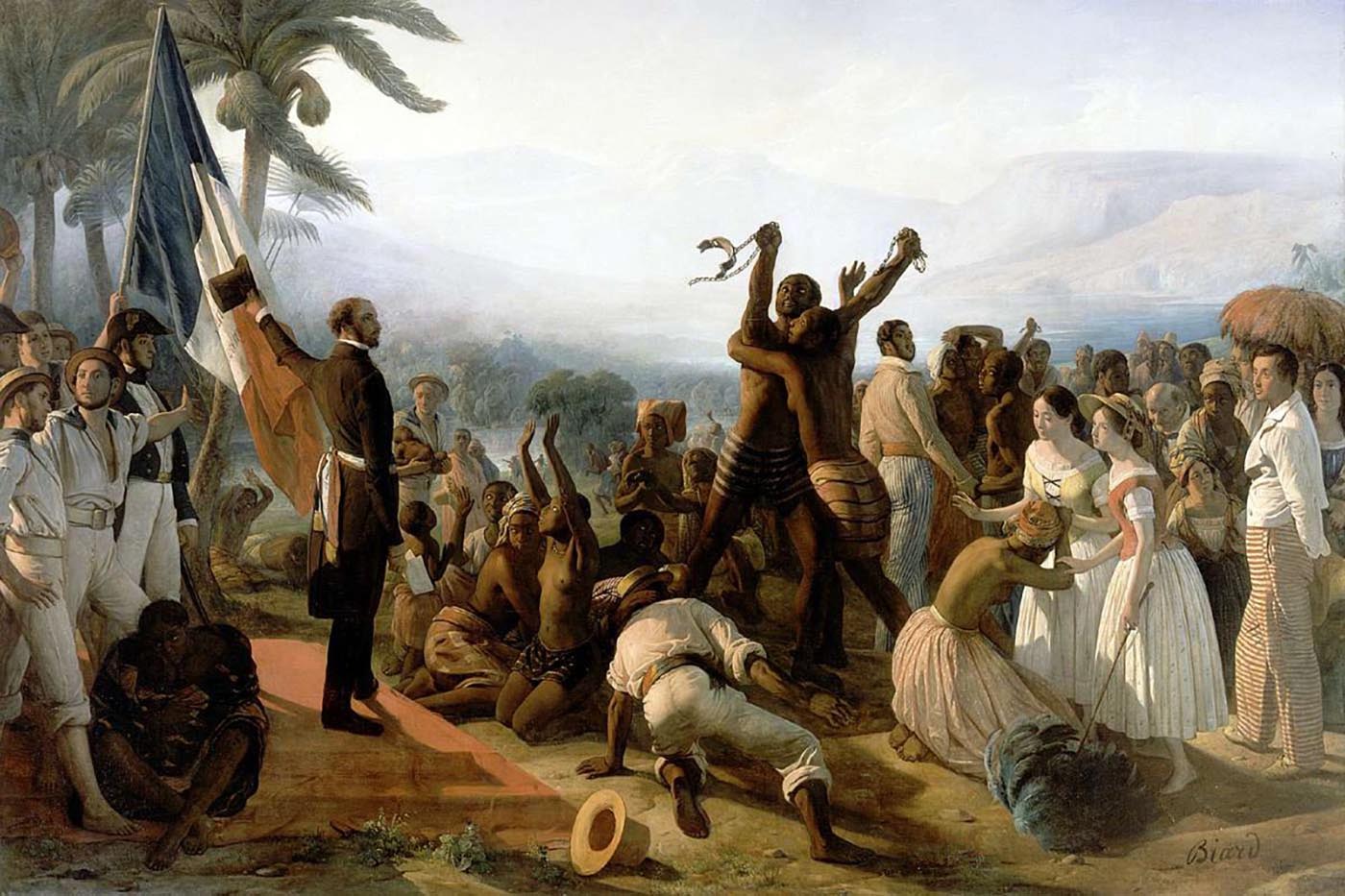
1500s
Spanish Queen Isabella orders Native Americans in the New World to be treated fairly, though this was often ignored.
1542
Spain enacts the New Laws, limiting the enslavement of Native Americans in Spanish colonies.
1652
Rhode Island passes laws restricting slavery, but they are not enforced.
1772
The Somerset Case in England effectively ends slavery in England, ruling that slavery was unsupported by English common law.
1777
Vermont, then an independent republic, becomes the first U.S. territory to abolish slavery.
1780
Pennsylvania enacts a gradual abolition of slavery.
1787
The Society for Effecting the Abolition of the Slave Trade is founded in Britain.
1791-1804
Haitian Revolution leads to the first successful slave rebellion, establishing Haiti as the first black republic and abolishing slavery.
1803
Denmark-Norway becomes the first European country to ban the transatlantic slave trade.
1807
Britain passes the Abolition of the Slave Trade Act, ending the transatlantic slave trade in the British Empire. The United States follows with a similar law.
1811
Spain abolishes the slave trade to its colonies.
1820
The U.S. declares slave trading piracy, punishable by death.
1833
The Slavery Abolition Act is passed in the British Empire, freeing enslaved people in most colonies by 1838.
1848
France abolishes slavery in its colonies.
1861
Russia emancipates its serfs, affecting over 23 million people.
1863
The Emancipation Proclamation in the United States declares enslaved people in Confederate states to be free.
1865
The 13th Amendment to the U.S. Constitution abolishes slavery throughout the United States.
1886
Slavery is abolished in Cuba.
1888
Brazil, the last country in the Americas to abolish slavery, passes the Golden Law.
1906
China formally abolishes slavery.
1926
The League of Nations adopts the Slavery Convention, aiming to eradicate slavery worldwide.
1948
The United Nations adopts the Universal Declaration of Human Rights, asserting the right to freedom from slavery.
1962
Saudi Arabia and Yemen abolish slavery.
1981
Mauritania becomes the last country to abolish slavery, but enforcement remains inconsistent.
2007
The UK commemorates the bicentenary of the abolition of the slave trade with a formal apology.
2010s-Present
Efforts to combat modern slavery, including human trafficking, forced labor, and child labor, continue through international organizations and treaties.
2016
The Global Slavery Index estimates 40.3 million people are still living in conditions of modern slavery.
The Civil Rights Movement was one of the most significant struggles for justice and equality in American history. Spanning several decades, it sought to end racial segregation, discrimination, and systemic oppression faced by African Americans. Through legal challenges, grassroots activism, nonviolent protests, and acts of civil disobedience, the movement dismantled barriers that had long upheld racial inequality. From early court victories to large-scale demonstrations like the Montgomery Bus Boycott and the March on Washington, civil rights activists challenged unjust laws and pushed for transformative change. Landmark legislation, including the Civil Rights Act of 1964 and the Voting Rights Act of 1965, reshaped American society by securing protections against racial discrimination. (Text by Keving Griffin, 2025)
Civil Rights Movement Timeline
1909
NAACP Founded: The National Association for the Advancement of Colored People is established to fight racial discrimination.
1941
March on Washington Movement: A. Philip Randolph pressures President Franklin D. Roosevelt to issue Executive Order 8802, banning discrimination in defense industries.
1947
Jackie Robinson Integrates Baseball: Becomes the first African American to play Major League Baseball.
1948
Truman Desegregates the Military: Executive Order 9981 ends racial segregation in the U.S. armed forces.
1950
Sweatt v. Painter: Supreme Court rules that segregated law schools are unconstitutional.
1954
Brown v. Board of Education: Supreme Court declares racial segregation in public schools unconstitutional.
1955
Emmett Till’s Murder: The brutal lynching of 14-year-old Emmett Till in Mississippi shocks the nation.
December 1, 1955
Rosa Parks and Montgomery Bus Boycott: Rosa Parks refuses to give up her bus seat in Montgomery, Alabama, sparking a 381-day boycott led by Dr. Martin Luther King Jr.
1956
Montgomery Bus Boycott Victory: Supreme Court rules segregation on buses unconstitutional.
1957
Little Rock Nine: Federal troops enforce school desegregation in Arkansas after violent resistance.
1960
Greensboro Sit-ins: Four Black college students protest segregated lunch counters in North Carolina, sparking nationwide sit-ins.
1961
Freedom Rides: Black and white activists ride buses to challenge segregation in interstate travel.
1962
James Meredith Integrates the University of Mississippi: Requires federal protection after riots.
April 16, 1963
MLK’s “Letter from Birmingham Jail”: Defends nonviolent resistance to racism.
August 28, 1963
March on Washington & “I Have a Dream” Speech: Over 250,000 people gather at the Lincoln Memorial.
1964
Civil Rights Act Passed: Bans segregation and discrimination in public places.
1965
Bloody Sunday (Selma March): Peaceful marchers are brutally attacked on the Edmund Pettus Bridge.
August 6, 1965
Voting Rights Act Passed: Eliminates literacy tests and other voter suppression tactics.
1966
Black Panther Party Founded: Advocates for self-defense and community empowerment.
1967
Loving v. Virginia: Supreme Court strikes down laws banning interracial marriage.
April 4, 1968
Assassination of Martin Luther King Jr. in Memphis, Tennessee.
1968
Fair Housing Act Passed: Bans racial discrimination in housing.