
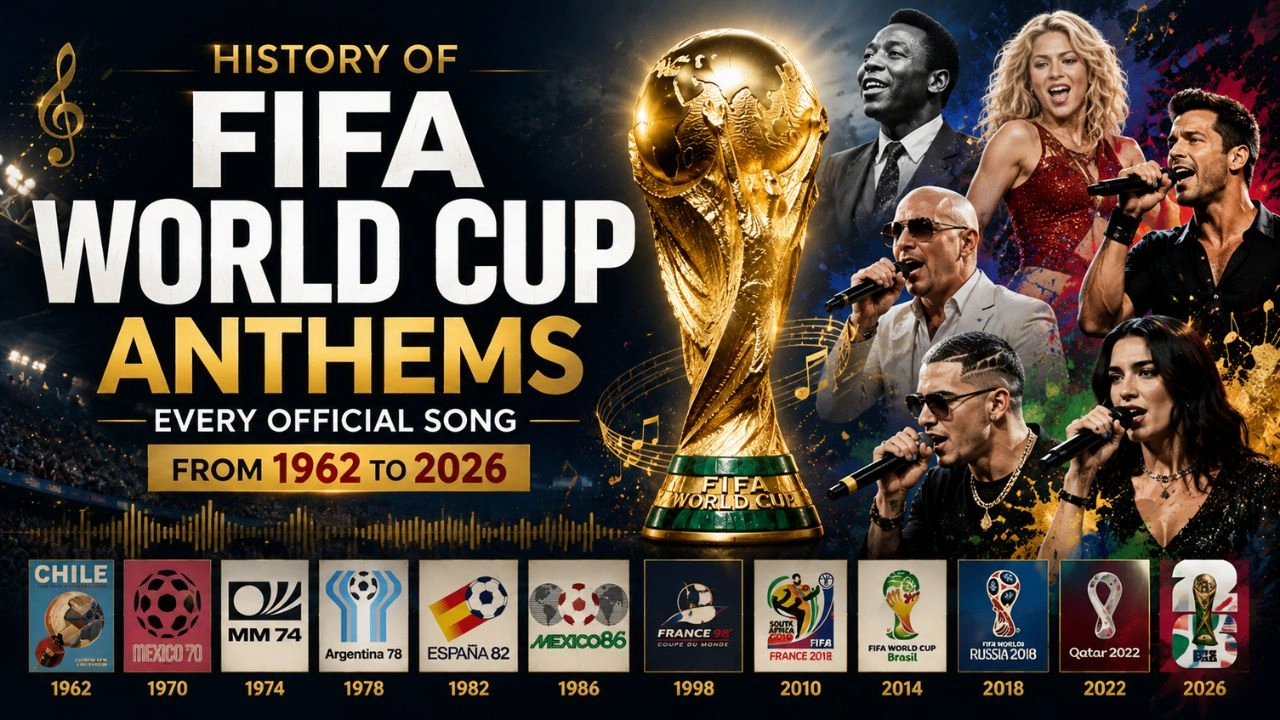
 FIFA World Cup Anthems - History The official 2026 FIFA World Cup anthem is “Dai Dai” by Shakira and Burna Boy, released on May 15, 2026. It is the lead single from a five-song official album. Every four years FIFA picks a song that, intentionally or not, captures the dominant sound and the dominant geography of pop in that exact moment. From the orchestral marches of 1962 to the Afrobeats fusion of 2026, the World Cup anthem is a 64-year-running barometer of which musical genre is global enough to soundtrack the world’s biggest sporting event. FIFA works with the host country’s music industry partners and a lead label (often Sony Music Latin for the recent tournaments) to commission artists for each tournament. Artists are typically selected to reflect a mix of the host country’s music scene and globally bankable pop stars. Recent tournaments have moved toward multi-artist collaborations and full official albums. The first widely-recognized FIFA World Cup official song was “El Rock del Mundial” by Los Ramblers for the 1962 Chile tournament. Earlier tournaments did not have official commercial songs in the modern sense. “Waka Waka (This Time for Africa)” by Shakira featuring Freshlyground for South Africa 2010 is the most commercially successful World Cup song of all time. It holds a Guinness World Record and is the most-streamed FIFA song on Spotify. Ricky Martin performed “La Copa de la Vida” (The Cup of Life) for France 1998. The song was a worldwide hit and is widely credited with launching Martin’s global career and the late-90s Latin-pop boom. Every Official FIFA World Cup Anthem (1962-2026) – A complete decade-by-decade history of every official World Cup song, what it sounded like, and what it tells us about the world that produced it.
The Pre-Pop Era (1962-1986) The earliest World Cup songs were less “anthems” in the modern radio sense and more orchestral marches and novelty records. England’s 1966 “World Cup Willie” by Lonnie Donegan is the first World Cup song with a clear chart-pop sensibility – a skiffle / pop tune tied to a tournament mascot. Ennio Morricone composed the 1978 Argentina theme. Plácido Domingo headlined 1982 Spain. These were tournament identifiers more than crossover hits. 1990 Italy – The First Modern Pop Anthem The shift toward what we now call a “World Cup anthem” really begins with Italia 90’s “Un’estate italiana (Notti Magiche)” by Edoardo Bennato & Gianna Nannini. It charted across Europe, became a long-running cultural touchstone, and established the template: bilingual chorus, stadium-sized hook, performable at the closing ceremony. Every subsequent World Cup song lives in the shadow of this one. 1998 France – Ricky Martin Changes Everything Ricky Martin’s “La Copa de la Vida” for France 98 is the modern World Cup song’s real Year Zero. Latin pop and global English-language pop fused into one song that was simultaneously the World Cup anthem and the song that catapulted Martin from regional Spanish-language star to global megastar. The Grammys took notice; mainstream U.S. radio took notice; an entire Latin-pop explosion of the late 1990s and early 2000s can be traced to this single recording. 2010 South Africa – Waka Waka and the Streaming Era Shakira’s “Waka Waka (This Time for Africa)” arrived at the exact moment YouTube became the global music distribution platform. The song’s music video became one of the most-watched YouTube clips of its era. Streaming numbers (still climbing) put it as the most-streamed FIFA song ever on Spotify. The 2010 anthem is the model every subsequent FIFA song has been measured against – commercially, none have matched it. 2014 Brazil – The Multi-Artist Era Begins Brazil 2014’s “We Are One (Ole Ola)” with Pitbull, Jennifer Lopez, and Cláudia Leitte was FIFA’s first three-artist headline collaboration. The chart performance was solid but the cultural footprint was smaller than Waka Waka. This is also the tournament where Shakira returned with “La La La” on the closing-ceremony side, cementing the “anthem + closing song” double-track approach. 2018 & 2022 – The Underperforming Era Russia 2018’s “Live It Up” (Nicky Jam, Will Smith, Era Istrefi) and Qatar 2022’s “Hayya Hayya (Better Together)” both underperformed commercially against Waka Waka and Hips Don’t Lie. Qatar 2022 introduced the multi-song album format that FIFA has now continued for 2026. 2026 – The Album-First Era The FIFA World Cup 2026 Official Album – anchored by Shakira and Burna Boy’s “Dai Dai”, with four additional songs across country, cumbia, reggaeton, and Arabic-influenced R&B – represents FIFA fully committing to the album format. It is the first World Cup tournament to be co-hosted by three countries, and the album’s diversity reflects that. Credits: May 20, 2026, Tanuja A2Z SoundtrackA2Z Soundtrack is an independent music journalism site covering film, television, anime, K-drama, and video game soundtracks. Founded in 2023, they publish detailed, source-checked guides to original scores and licensed songs from the world's biggest releases - and the ones you might otherwise miss. If you have ever walked out of a movie, finished an episode, or beat a boss fight wondering "what was that song?" - this site exists for you. Across more than 1400 published guides, A2Z Soundtrack |
||||||||||||||||||||||||||||||||||||||||||||||||||||||||||||||||||||||||
 |
||||||||||||||||||||||||||||||||||||||||||||||||||||||||||||||||||||||||
FIFA 2026 - Official Soundtrack For decades, the World Cup anthem was a single song – often forgettable, occasionally iconic (Shakira’s own “Waka Waka” from 2010 remains the most-viewed music video in World Cup history). But 2026 is different. This is the first 48-team, 104-match World Cup ever played – and FIFA knows it needs a soundtrack that can carry three nations, dozens of timezones, and billions of fans through six weeks of football. The decision to build a full |
||||||||||||||||||||||||||||||||||||||||||||||||||||||||||||||||||||||||
FIFA World Cup Songs - Waka Waka & Dai Dai “Dai Dai” and “Waka Waka” both are Shakira’s official FIFA World Cup songs – “Waka Waka” for the 2010 tournament in South Africa, and “Dai Dai” for the 2026 tournament co-hosted by the United States, Mexico, and Canada. They are completely different songs with different featured artists, genres, and meanings. “Waka Waka” comes from the Fang language, spoken in Cameroon and surrounding countries. It loosely translates to “do it” – a motivational call to action. |
||||||||||||||||||||||||||||||||||||||||||||||||||||||||||||||||||||||||
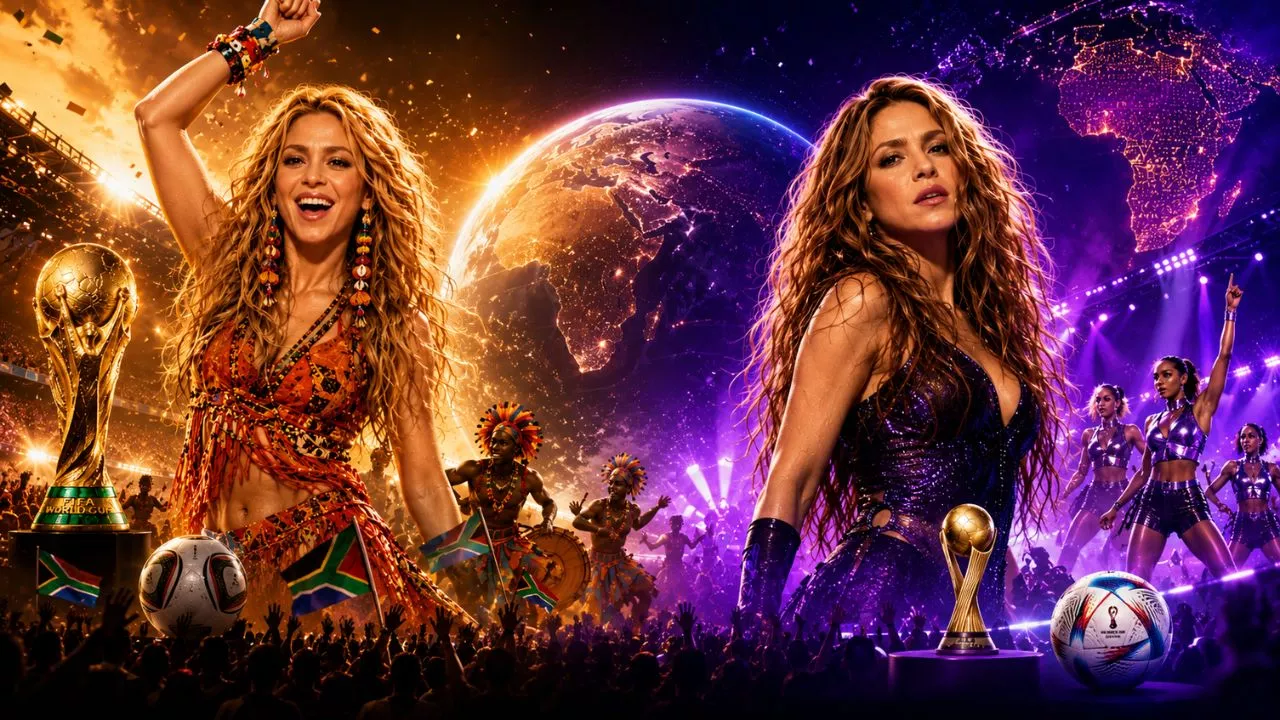
FIFA World Cup Music - Shakira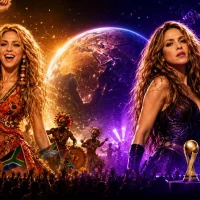 Shakira has been musically involved in four FIFA World Cups: 2006 (“Hips Don’t Lie” closing), 2010 (“Waka Waka” official anthem), 2014 (“La La La” closing), and 2026 (“Dai Dai” anthem and Final halftime co-headline). “Waka Waka (This Time for Africa)” from 2010 is her most successful World Cup song and the most successful World Cup song in history. It has sold over 15 million downloads, holds a Guinness World Record, and is the most-streamed World |
||||||||||||||||||||||||||||||||||||||||||||||||||||||||||||||||||||||||
Waka Waka (This Time for Africa) - Facts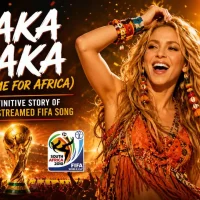 As of 2026, sixteen years on, “Waka Waka” is still the song that defined an entire World Cup tournament. “Waka Waka (This Time for Africa)” by Shakira featuring South African Afro-fusion band Freshlyground sold over 15 million digital downloads worldwide, became the most-streamed FIFA World Cup song on Spotify (a Guinness World Record), and remains the best-selling World Cup song ever recorded. “Waka Waka (This Time for Africa)” was performed by Shakira featuring South African |
||||||||||||||||||||||||||||||||||||||||||||||||||||||||||||||||||||||||
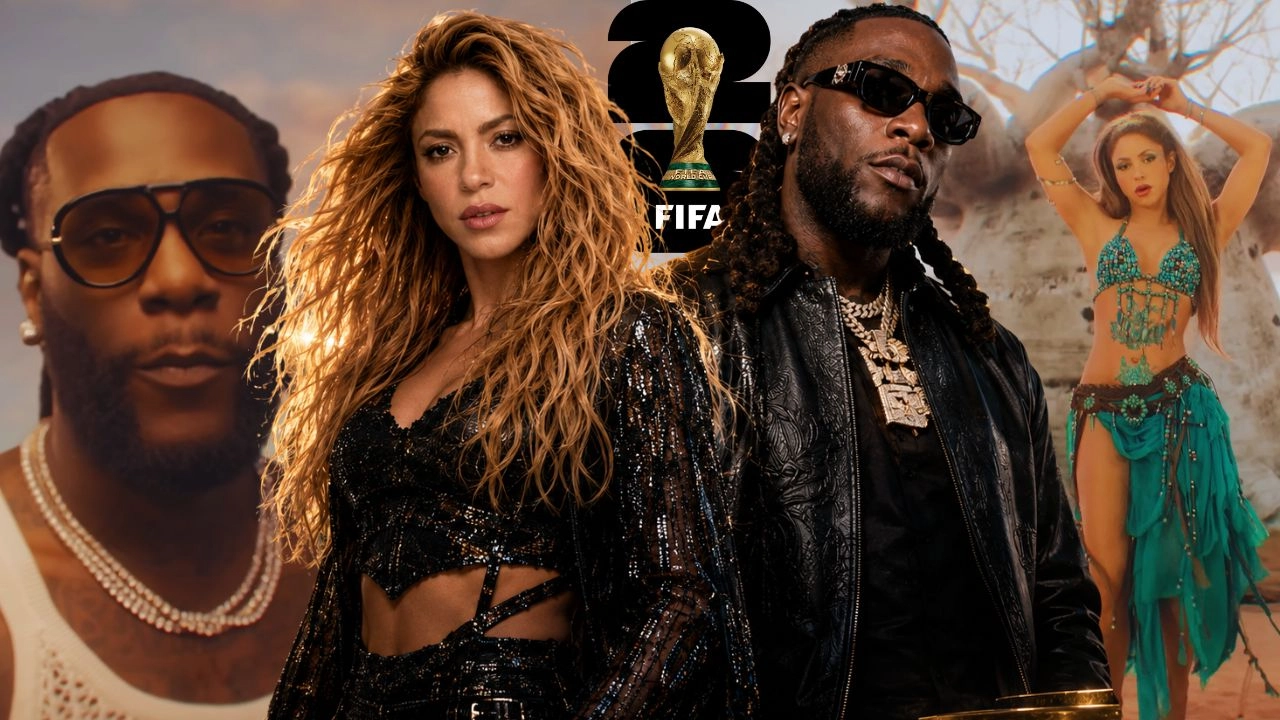
FIFA World Cup 2026 - Official Song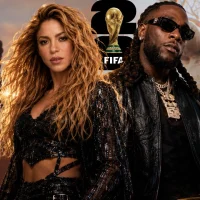 The official FIFA World Cup 2026 song “Dai Dai” is performed by Colombian superstar Shakira and Nigerian Afrofusion artist Burna Boy. “Dai Dai” was officially released on May 15, 2026, through Ace Entertainment and Sony Music Latin. “Dai Dai” is an Italian phrase meaning “Come on, come on” or “Go, go”. The song’s multilingual chorus also includes the same phrase in Japanese, Spanish, French, and English. It was written and produced by Shakira, Burna Boy, |
||||||||||||||||||||||||||||||||||||||||||||||||||||||||||||||||||||||||
| FIFA World Cup 2026 Official Anthem The official anthem is “DNA”, performed by Andrea Bocelli, David Guetta, Megan Thee Stallion and EJAE. It was released on June 10, 2026. “DNA” is the official anthem, while “Dai Dai” by Shakira and Burna Boy is the official song and lead single of the Official FIFA World Cup 2026 Album. They are two separate tracks. World Cup 2026 anthem “DNA” is sung by four artists: Italian tenor Andrea Bocelli, French producer David Guetta, American |
||||||||||||||||||||||||||||||||||||||||||||||||||||||||||||||||||||||||
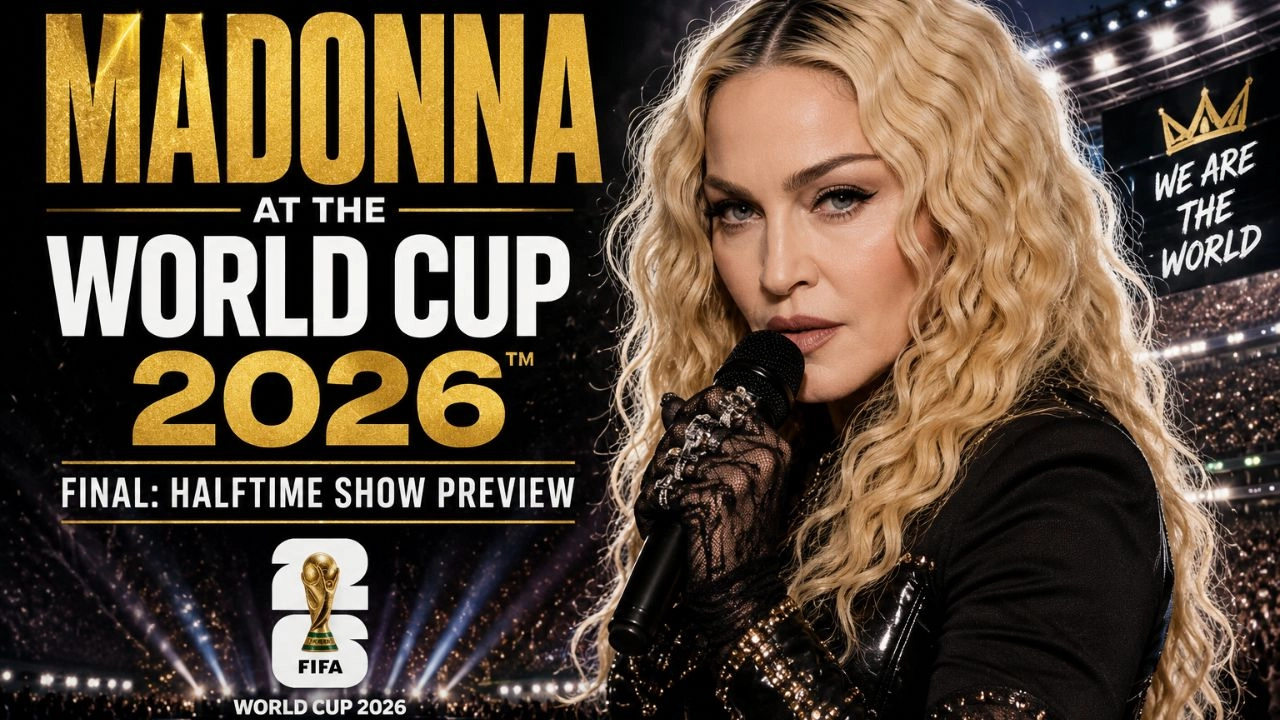
FIFA World Cup 2026 - Madonna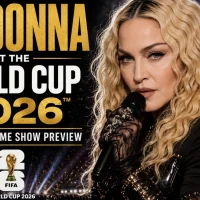 The Queen of Pop is going to the World Cup. Madonna will co-headline the first-ever World Cup Final halftime show on July 19, 2026 |
 Sky Division & Logios, 2026