|
Beethoven – Egmont, Op. 84: Overture, 1810 (Audio: David Parry, London Philharmonic Orchestra)
“Egmont, Op. 84 Overture” is a concert overture composed by Ludwig van Beethoven in 1809-10, premiered in 1810 in Vienna. It was written as incidental music for Johann Wolfgang von Goethe’s 1787 play “Egmont“, a tragedy set during the 16th-century Dutch revolt against Spanish rule. Beethoven admired Goethe deeply and composed the score with genuine dramatic conviction, though the two men never met. The overture is notable for its concise structure, vivid orchestration, and emotional arc, moving from darkness to light. It stands as one of Beethoven’s finest shorter orchestral works and remains a staple of the concert repertoire, often performed independently of the complete incidental music (which includes songs, entr’actes, and the famous “Egmont” finale). Its themes of freedom and heroic sacrifice resonated strongly with Beethoven’s own ideals and with the political spirit of his era. The overture is programmatic in spirit: it distills the play’s central themes – oppression, heroic resistance, and ultimate triumph of freedom – into a single orchestral movement. The music begins with a stark, heavy chord evoking Spanish power, followed by a solemn, processional theme. A contrasting lyrical theme represents the Count of Egmont and the Dutch people, while energetic, martial passages suggest struggle and conflict. The tension builds toward a tragic climax reflecting Egmont’s execution, but the work ends with a radiant, victorious coda – often called a “victory symphony” – symbolizing the triumph of liberty and the spirit of national independence. |
Beethoven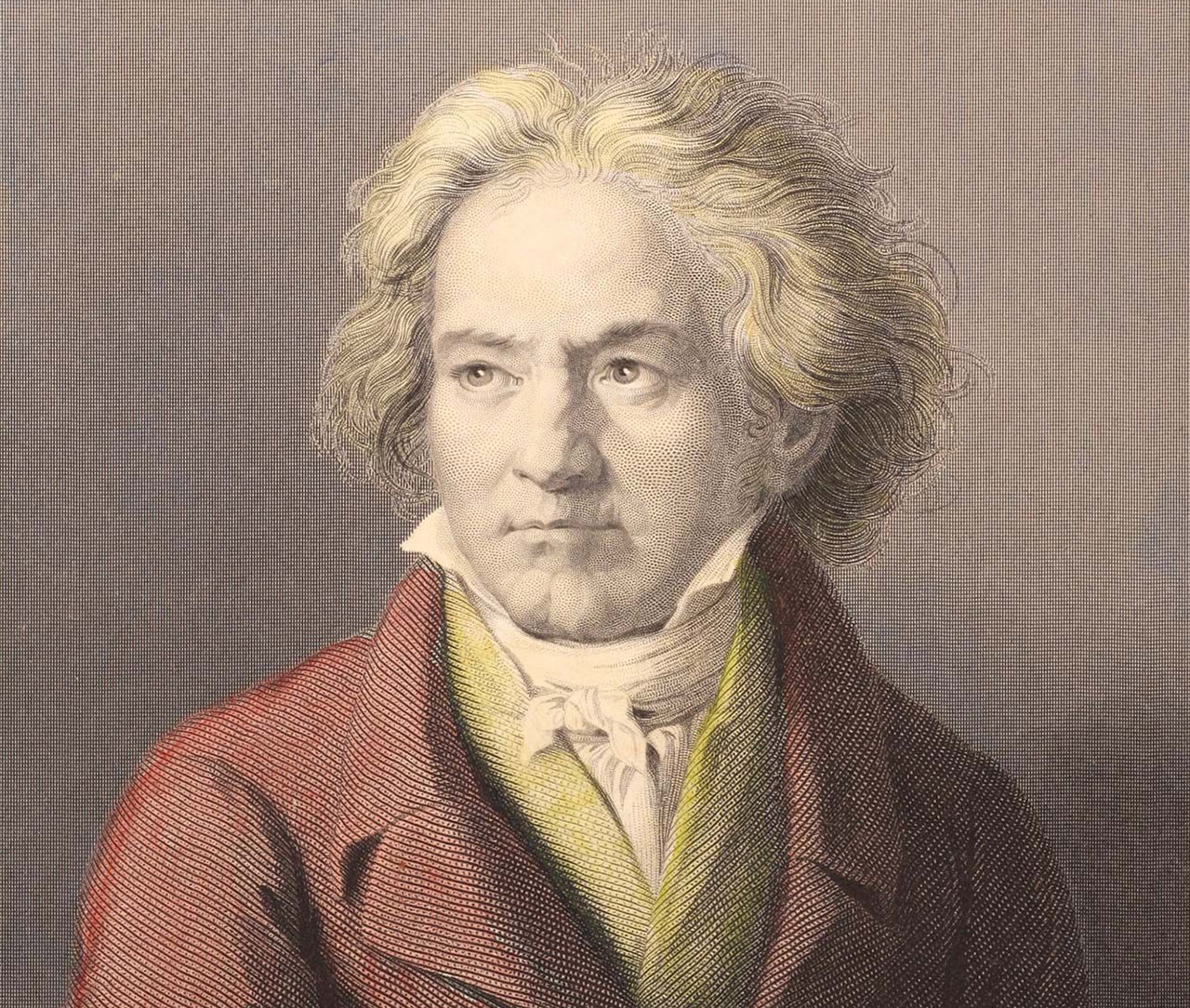 Ludwig van Beethoven (1770-1827) was a German composer and pianist widely regarded as one of the most influential figures in Western music, bridging the Classical and Romantic eras. Born in Bonn, he moved to Vienna in his early twenties to study and establish his career, quickly gaining recognition as a virtuoso pianist and bold, original composer. His output is conventionally divided into three periods. The early period reflects the influence of Haydn and Mozart while showing his distinctive voice |
 Sky Division & Logios'Logios' represents an AI entity, helping with data, stats, knowledge, words, calculations, helping human creator in exploring and developing content. 'Logios' sometimes can be a single AI-platform, or many of them. If a code-script is used somewhere then credits for assistance belong exclusively to DeepSeek AI.
Logios - from the Greek λόγιος (lógios), meaning "learned, eloquent, one who speaks with reason"., 2026 |
|